- +86 136 8127 5833
- [email protected]
- Shunyi, Beijing, China
Explore our premier line of CE-compliant body sculpting, diode laser, and clinical skin restoration platforms engineered for maximum operator ROI.
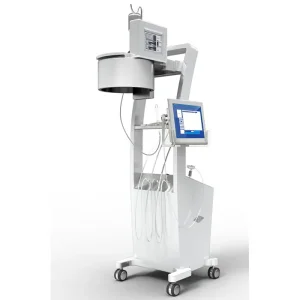
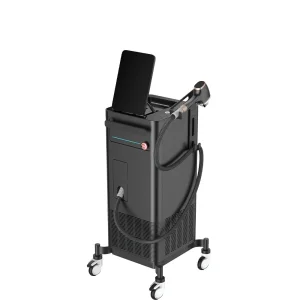
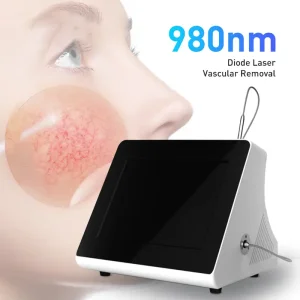
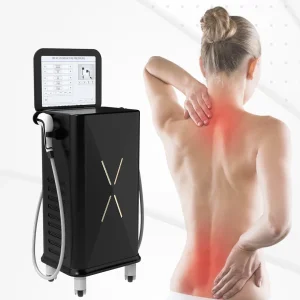
Deconstructing High-Intensity Electromagnetic Technology (HI-EMT) vs. Traditional Electrical Muscle Stimulation (EMS)
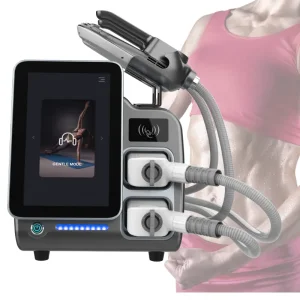
Unlike voluntary muscle contractions that engage roughly 30% of muscle fibers, certified electronic muscle building machines utilize focused high-intensity electromagnetic fields to trigger supramaximal contractions. This forces muscular tissue to adapt under extreme stress, initiating deep myofibril remodeling, muscle growth (hypertrophy), and creation of new protein strands (hyperplasia).
Rapid muscle depolarization demands immediate energy expenditure. The massive release of epinephrine triggers a cascade effect in adjacent adipocytes, leading to intense lipolysis. Free fatty acids (FFAs) overflow within fat cells, leading to functional dysfunction and programmed cell apoptosis, which is then naturally cleared via the lymphatic system.
Modern advanced platforms combine synchronized Radiofrequency (RF) heating with electromagnetic stimulation. RF pre-heats the muscular tissue to optimal enzymatic temperatures (40-45°C), expanding capillary networks, while simultaneously driving fat cell temperatures to apoptotic levels within 4 minutes of application.
Ensuring compliance under the European Union Medical Device Regulation (MDR 2017/745) and Low Voltage Directives
Compliance with EN 60601-1-2 requires high-power electromagnetic field generators to isolate emissions, preventing interference with surrounding clinical electronics, cardiac pacemakers, or diagnostic imaging suites during high-Tesla pulse firing.
Structural compliance under EN 60601-1 guarantees electrical safety, dielectric strength, and grounding integrity. High-current internal transformers and IGBT inverter modules must feature multi-stage short-circuit and thermal fuse cut-offs.
Legitimate CE certification requires suppliers to maintain audited clinical trial data demonstrating reproducible efficacy, documented patient discomfort indexes, zero thermal epidermal burns, and safe operational parameters across all skin types.
| Evaluation Parameter | Certified Medical-Grade HI-EMT Platform | Uncertified Low-End EMS Competitors |
|---|---|---|
| Magnetic Flux Density | 7.0 to 14.0 Tesla (Real Output) | 0.5 to 1.5 Tesla (Exaggerated Claims) |
| Cooling Infrastructure | Dual Liquid-Cooling Radiator + Closed-Loop Oil | Air Cooling / Passive Heat Sink (Overheats in 15 mins) |
| Pulse Waveform Precision | Symmetrical Biphasic Pulse (Targeted Motor Neuron) | Unstable Monophasic Wave (Causes Skin Stinging/Burns) |
| Regulatory Auditing | Notified Body CE (MDR Compliance) & ISO 13485 | Self-Declared Certificate of Conformity (High Customs Risk) |
| Applicator Service Life | > 6,000 Hours Continuous Firing | < 300 Hours Before Coil Insulation Breakdown |
Why Tier-1 Chinese manufacturers dominate global medical aesthetic hardware production through vertical integration
Leading Beijing and Guangdong aesthetic clusters maintain localized supply networks for custom-wound copper induction coils, industrial-grade liquid radiators, and German-imported Infineon IGBT chips. This proximity slashes production lead times to under 14 days for bespoke OEM requests.
Top-tier factories execute 72-hour continuous burn-in testing under max load conditions before assembly lock. Oscilloscope waveform verification ensures that every field output profile matches the strict clinical protocols programmed into the touch UI.
By leveraging standardized modular chassis and scalable PCB control boards, Chinese OEM suppliers offer customizable software branding, shell colors, and specialized multi-handle configurations at 40-60% lower capex than European counterparts.
Essential operational criteria for international distributors, clinic chains, and medical device importers
Beyond the initial purchase price, enterprise buyers must evaluate consumable overhead (such as zero-cost magnetic applicators vs. costly single-use smart cards), power consumption profiles, spare part stocking costs, and software update fee structures.
A global procurement contract must guarantee a 24-48 hour response window for technical support, modular plug-and-play replacement boards, door-to-door air freight coverage for components under warranty, and remote diagnostic software capabilities.
Distributors must verify that the supplier provides localized user manuals, risk assessment reports (ISO 14971), raw material safety sheets (MSDS for cooling fluids), and compliant CE labeling affixed directly to the chassis serial plate.
Key innovations transforming the electronic muscle building market over the next decade
The industry is rapidly shifting away from standalone devices. Leading suppliers are combining HI-EMT, Synchronized RF, Cryolipolysis, and Low-Level Laser Therapy (LLLT) into multi-channel unified workstations, enabling treatment of skin laxity, visceral fat, and muscle tone in a single session.
Next-generation consoles integrate real-time bioimpedance sensors within the handle pads. The onboard AI system calculates tissue density and automatically adjusts pulse frequencies (Hz) and energy depth in real-time, preventing muscle fatigue and optimizing client comfort.
Expanding past cosmetic abdominal sculpts, high-end devices now include specialized ergonomic pelvic floor cushions. These target postpartum incontinence and core stability, opening high-margin revenue streams within physical therapy and urology clinics.
Tailoring electronic muscle building systems across varied clinical environments
Primary Goal: Rapid ROI, zero downtime, high turnover.
Protocol: Standard 30-minute abdominal or gluteal shaping sessions, twice weekly for 2 to 4 weeks. High throughput combined with zero consumable cost maximizes daily clinic margin.
Primary Goal: Muscular atrophy prevention, core strengthening.
Protocol: Targeted low-frequency (20-40Hz) pulses applied to hamstrings, quads, or lower back to stimulate inactive muscle groups without placing strain on joint cartilage or tendons.
Primary Goal: Diastasis Recti reduction, pelvic floor rehabilitation.
Protocol: Specialized progressive ramp-up sessions combining mild electromagnetic fields with pelvic seat applicators to restore rectus abdominis separation post-pregnancy.
Technical, regulatory, and commercial insights for professional equipment buyers
To verify authenticity, check whether the certificate was issued by an officially accredited European Notified Body (NB) with a valid 4-digit NB number for Medical Devices, or a recognized testing laboratory for LVD/EMC directives. Cross-reference the certificate number directly on the issuing body's official online database. Ensure the legal manufacturer name, factory address, and product model exact matches the hardware serial plate.
Air-cooled applicators rely on internal fans, limiting continuous operation to short bursts before overheating protection trips (typically 15-20 minutes). Liquid-cooled applicators utilize a closed-loop oil or water radiator system running continuously through the copper handle coils. Liquid cooling is essential for commercial clinics running back-to-back 30-minute client sessions without power degradation or thermal shutdown.
True clinical effectiveness requires a surface magnetic flux density of at least 7.0 to 14.0 Tesla at the point of contact. Be cautious of marketing claims boasting higher figures (e.g., 20+ Tesla) that reflect internal peak coil spikes rather than sustained, safe tissue penetration levels. True depth of penetration (up to 7cm into muscle tissue) matters more than short peak surface pulses.
Unlike cryolipolysis (which requires anti-freeze membranes) or RF microneedling (which requires single-use needle cartridges), standard HI-EMT electronic muscle building machines have zero daily consumable costs. Applicator pads are non-invasive and reusable for thousands of cycles, making operational margins extremely high once the capital equipment cost is amortized.
Professional Tier-1 manufacturers supply comprehensive spare parts kits (including backup mainboards, power supply modules, relay switches, and quick-connect hose assemblies). Modular interior engineering allows clinic technicians to replace faulty components locally within 30 minutes under remote video guidance from factory engineers.
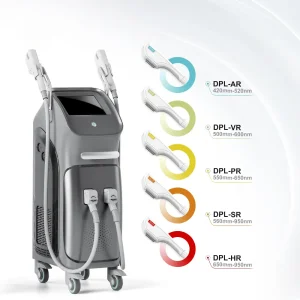
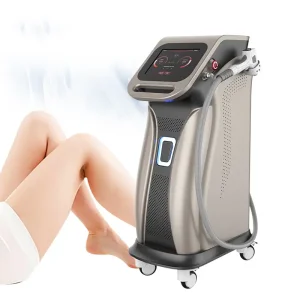
Explore our complete range of specialized equipment including DPL, Cryolipolysis, Microneedling RF, and EMS solutions