Choosing reliable suppliers in 2026 requires more than comparing prices and polished product photos. Global buyers need evidence of engineering quality, manufacturing consistency, and responsible market support. This guide examines leading suppliers of Ipl Diode Laser equipment for clinics, distributors, and professional aesthetic practices. It considers diode wavelengths, pulse control, cooling performance, handpiece design, treatment safety, and long-term serviceability.
Technical documentation matters. A dependable supplier should provide clear specifications, test reports, user manuals, warranty terms, and training resources. Buyers should also verify relevant quality systems, electrical safety compliance, and registration requirements in their target markets. Standards and approvals may differ across countries. A supplier experienced with international distribution can explain these differences without making unrealistic promises. That is valuable.
Real purchasing decisions often happen around small details. Can the cooling system remain stable during a busy clinic day? Are replacement filters, lamps, cables, and handpieces available locally? Does the supplier answer technical questions after installation? These details reveal practical experience better than marketing language. Still, no supplier is perfect. Product data can be incomplete, delivery estimates can change, and after-sales performance may depend on regional partners.
This overview aims to help buyers compare suppliers with greater confidence. It balances published evidence with operational concerns, including training quality, communication speed, customization, and service networks. Independent verification remains essential. A low quotation may look attractive, but downtime, unclear compliance, and delayed parts can increase the real cost. Careful buyers should request demonstrations, references, and written commitments before signing international agreements.
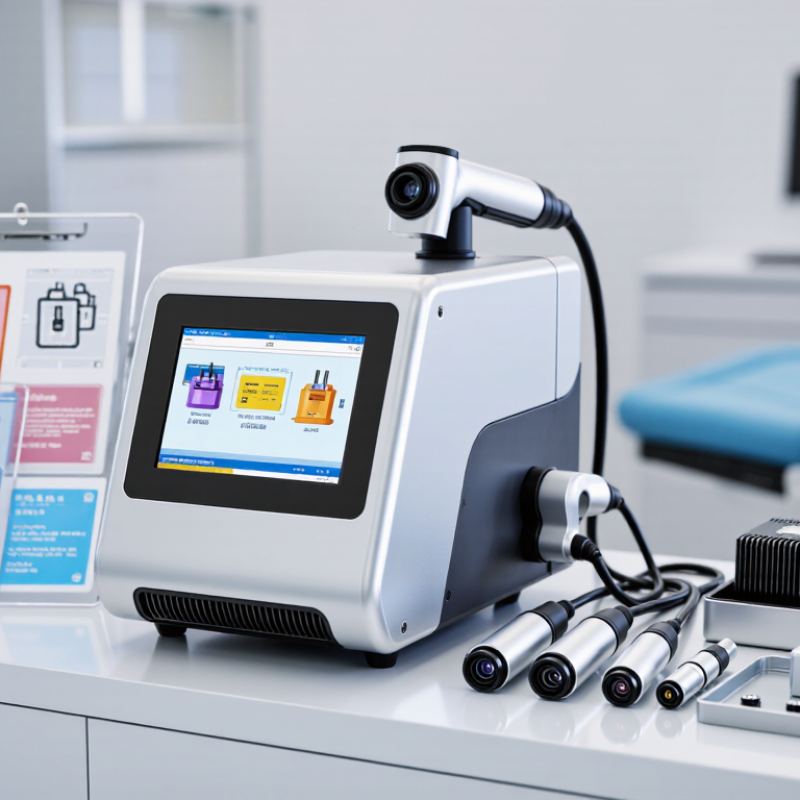
2026 Top IPL Diode Laser Suppliers for Global Buyers?
Understanding IPL and Diode Laser Technologies
IPL and diode systems are not interchangeable. IPL uses filtered, broad-spectrum light, while diode devices deliver focused energy at selected wavelengths. This difference affects penetration, comfort, treatment speed, and skin-type suitability. IPL can cover larger areas quickly, such as both legs. Diode energy usually offers more controlled targeting around coarse, dense hair.
Market demand supports careful comparison. Grand View Research valued the global laser hair removal market at about USD 1.02 billion in 2023, with strong growth projected through 2030. The 2024 ISAPS Global Survey also recorded over 19 million nonsurgical aesthetic procedures worldwide. These figures show demand, not guaranteed treatment results. Buyer judgment still matters.
Look beyond headline power. Check pulse duration, spot size, cooling performance, wavelength options, and service documentation. A practical test includes a patch assessment, stable output readings, and clear maintenance records. Skin tone, hair thickness, and operator training change the outcome. Darker skin may require conservative settings and stronger cooling, not simply higher energy.
The distinction is easy to oversimplify. More power is not always better. A lower-cost system can become expensive when handpieces fail or training is weak. Buyers should request independent safety certificates and published clinical evidence. Some supplier claims remain vague. That deserves skepticism.
2026 Top IPL Diode Laser Suppliers for Global Buyers?
Defining Requirements for Global Aesthetic Equipment Buyers
Global buyers should define clinical, technical, and regulatory requirements before comparing diode laser suppliers. A low purchase price rarely reflects the full ownership cost. Consider treatment indications, target skin types, wavelength options, fluence range, pulse duration, spot size, and cooling performance. Details matter.
Ask for measurable evidence, not polished sales language. Request verified specifications, maintenance records, safety testing, user training plans, and realistic delivery schedules. The equipment should support local medical-device requirements, electrical standards, labeling rules, and import documentation. Requirements may differ between countries, even within one region.
Service capability deserves equal attention. Confirm spare-parts availability, response times, software support, warranty boundaries, and technician qualifications. Speak with experienced clinics when possible, but examine their treatment settings carefully. Similar patients may respond differently. A spreadsheet can still mislead.
Test the handpiece balance, screen visibility, emergency stop, and cooling comfort in person or through a documented demonstration. Ask how performance is checked after repeated use. Measure twice. Some buyers focus heavily on energy output and overlook workflow, training, or patient communication. That gap matters. Suppliers should explain limitations honestly, including situations requiring referral or alternative care. Reliable purchasing is not about choosing the most impressive specification; it is about matching documented performance with the buyer’s clinical environment, budget, staff skills, and long-term responsibilities.
Defining requirements for global aesthetic equipment buyers starts with verifying the diode laser’s nominal wavelength. The chart compares commonly specified wavelengths used in professional hair-removal and vascular-treatment platforms. These are technical reference values, not supplier market-share data.
Buyer validation should also include regulatory documentation, IEC 60601-1 and IEC 60601-2-22 compliance where applicable, cooling performance, pulse-width control, handpiece ergonomics, service support, and local registration requirements. Wavelength suitability must always be confirmed against the manufacturer’s intended-use documentation.
Ranking IPL and diode laser suppliers in 2026 requires more than comparing catalog prices. Grand View Research reports continued growth in the global medical laser market, while market studies also show rising demand for aesthetic light-based treatments. These figures indicate opportunity, not supplier quality. Buyers should verify manufacturing experience, engineering documentation, and post-sale service through real customer evidence.
A practical scorecard should assign weight to five areas: regulatory documentation, clinical support, product performance, delivery reliability, and total ownership cost. ISO 13485 certification supports quality management, but it does not prove every device performs equally. Ask for test reports, electrical safety records, wavelength accuracy, cooling performance, and batch traceability. The IEC 60601-1 framework is especially relevant for electrical medical equipment. Request recent certificates, not undated PDF files.
Supplier audits should include factory video calls, sample testing, and service-response checks. The World Health Organization emphasizes lifecycle management for medical devices, including maintenance, training, and replacement planning. That matters when a handpiece overheats during a busy clinic day. Warranty length alone can mislead. Measure repair time and spare-part availability instead. No scorecard is perfect. A supplier may show strong production capacity but weak clinical training. Another may offer excellent support yet lack stable export logistics. My ranking would record these trade-offs openly, with evidence beside every score.
2026 Top IPL Diode Laser Suppliers for Global Buyers?
Comparing Supplier Compliance, Quality, and Manufacturing Capacity
Global buyers should examine supplier evidence, not attractive product photos. A compliant supplier can provide current certificates, technical files, risk assessments, and traceable production records. Documents must match the destination market and device category. ISO 13485 certification supports process control, but it does not replace local registration requirements.
Quality appears in small details. Ask for wavelength accuracy, pulse consistency, cooling performance, and electrical safety test results. Request sample units from different production batches. Inspect the handpiece, screen response, cable strain relief, and emergency stop function. A reliable factory should explain calibration intervals and maintain serial-number records. Claims about skin safety need test methods, not confident wording.
Manufacturing capacity also deserves practical testing. Review monthly output, critical component sources, lead times, and backup assembly plans. Visit the facility when possible. A clean workshop is useful, but controlled procedures matter more. Check whether technicians follow documented inspections at incoming, assembly, and final stages. After-sales support should include spare parts, training materials, complaint handling, and repair timelines.
No supplier file is perfect. I once focused too heavily on certificates and missed weak batch records. That mistake changed my review process. Buyers should compare evidence against delivered samples and real service responses. Capacity can look impressive on paper, yet shortages may appear during seasonal demand. A small pilot order often reveals more than a polished presentation.
For global buyers, supplier selection starts with landed cost, not the advertised unit price. Grand View Research’s 2024 aesthetic lasers report estimated the market at about USD 1.4 billion in 2023. That growth attracts low quotes. It also increases comparison risk. Add freight, import duties, training, spare handpieces, payment fees, and local service travel. A laser priced at USD 8,000 can become much more expensive after installation.
Delivery promises need evidence. Request a production lead-time range, shipping method, serial-number tracking, and a written remedy for delays. Procurement records should compare promised dispatch dates with actual shipment dates.
Warranty terms deserve closer inspection. Check coverage for the diode stack, cooling system, optical window, controller, and labor. Many offers cover parts but exclude transport or misuse without defining misuse clearly. That ambiguity is expensive.
Reliable after-sales support is measurable, not promotional language. Ask for response-time targets, remote diagnostics, spare-parts availability, and technician escalation paths. Support tickets should be logged, not handled only through informal chats.
Independent service capability matters when a handpiece fails on Friday. ISO 13485 alignment and IEC 60601-1 evidence strengthen credibility, but neither replaces contract review. I would still test a sample unit before volume purchasing.
The cheapest quote may hide the weakest recovery plan.
Define treatment needs, target skin types, wavelengths, fluence, pulse duration, spot size, and cooling performance. Clinical context matters.
Landed cost includes freight, duties, training, payment fees, spare parts, and local service travel. A low quote can grow quickly.
Request verified specifications, safety testing, maintenance records, training plans, and realistic delivery schedules. Do not rely on polished claims.
Check local medical-device rules, electrical standards, labeling requirements, and import documents. Requirements can vary between nearby countries.
Request lead-time ranges, shipping methods, serial-number tracking, and written remedies for delays. Compare promised dates with actual dispatch dates.
Review coverage for the diode stack, cooling system, optical window, controller, parts, and labor. Clarify transport exclusions and vague misuse clauses.
Ask about response-time targets, remote diagnostics, spare-parts stock, and technician escalation. Support tickets should be logged.
Test handpiece balance, screen visibility, emergency-stop access, and cooling comfort. A documented demonstration is better than screenshots.
Output figures alone do not show daily usability. Staff skills, patient communication, maintenance, and workflow affect long-term results.
Review relevant quality-system evidence and electrical safety testing. These records help, but contract review still matters.
Yes, but inspect their treatment settings carefully. Similar patients may respond differently. One clinic’s experience is not proof.
Suppliers should describe unsuitable cases, equipment limits, and situations needing referral or alternative care. Honest details build safer decisions.
Choosing the right Ipl Diode Laser supplier in 2026 requires more than comparing product prices. Global aesthetic equipment buyers should first understand the differences between IPL and diode laser technologies, including their applications, treatment flexibility, energy control, safety features, and suitability for various professional settings. Clear requirements for treatment areas, target users, certifications, customization, and expected operating volume will help create a practical purchasing plan.
A reliable supplier should be evaluated through documented compliance, consistent product quality, manufacturing capacity, testing procedures, and transparent technical specifications. Buyers should also compare total costs, including pricing, shipping, delivery schedules, installation, training, warranty coverage, spare parts, and after-sales support. Suppliers with stable production, responsive communication, and long-term service capabilities can reduce operational risks and improve the value of the investment. A structured comparison based on performance, reliability, support, and regulatory readiness will help global buyers make a confident and responsible decision.