Follow SANO SANO Laser Facebook page

Why Choose a Microneedle RF Machine for Your Clinic?

Time:2026-09-25 Author:Isabella
0%

A Microneedle Rf Machine can add a versatile option to a clinic’s treatment menu. It combines fine needles with radiofrequency energy, delivering controlled heat into targeted skin layers. For practitioners, the appeal is practical: adjustable settings, a clear treatment workflow, and the ability to tailor sessions to individual concerns. But the device alone does not create good care. Training, patient assessment, and realistic expectations matter just as much.

As a board-certified dermatologist known for her work with energy-based skin treatments, Dr. Tina Alster offers a useful clinical perspective. Put simply, treatment choices should follow the patient’s needs, not the machine’s sales claims. This is a paraphrase of that principle, not a verbatim quotation. It is worth remembering when comparing devices, protocols, and promised results.

Look closely at the details. How easily can staff adjust energy levels and needle depth? Are the handpiece and tips comfortable to handle during a full clinic day? Does the supplier provide clear training, maintenance guidance, and responsive technical support? These questions can reveal more than a glossy product image. They also help clinics assess whether a Microneedle Rf Machine fits their patient population, staffing, and budget.

There are trade-offs. Treatment planning takes care. Results vary, and no device suits every patient or concern. A thoughtful clinic weighs evidence, safety procedures, service support, and total ownership costs before purchasing. Some details are easy to miss. The best choice is not always the newest model; it is the one your team can use responsibly and consistently.
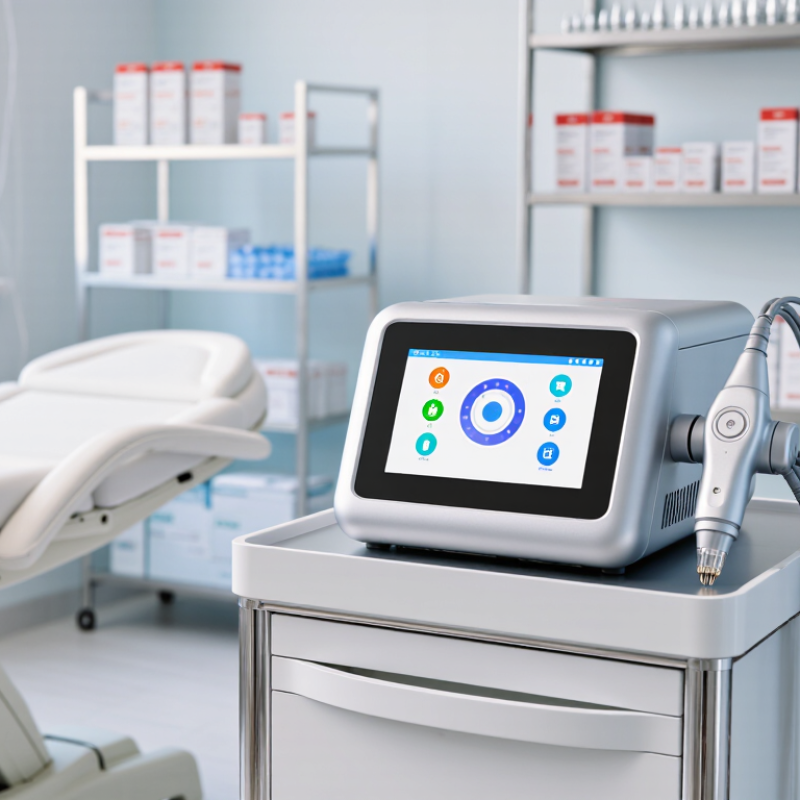
Why Choose a Microneedle RF Machine for Your Clinic?

What Is a Microneedle RF Machine?

What Is a Microneedle RF Machine?

A microneedle radiofrequency (RF) machine combines fine needles with controlled RF energy. The needles enter the skin at selected depths and deliver heat into targeted tissue. Unlike surface-only treatments, energy reaches beneath the outer skin layer. A typical system includes a handpiece, a needle cartridge, and controls for depth and energy. Designs vary.

That distinction matters. The treatment creates tiny channels and localized heat, prompting the skin’s repair response and gradual collagen remodeling. Results develop over weeks, not overnight, and vary with skin condition, treatment settings, and individual healing. It may help address concerns such as acne scarring or uneven texture, but it cannot erase every scar. Not magic.

For a clinic, the machine is only one part of care. A qualified clinician should review medical history, assess skin, explain realistic outcomes, and follow the device instructions. Temporary redness, swelling, or pinpoint bleeding can occur; infection, burns, pigment changes, or scarring are less common but possible. More energy is not automatically better. Careful depth selection and hygiene matter. If a setting cannot be clearly explained, pause and ask why.

How Microneedle Radiofrequency Treatment Works

Microneedle radiofrequency treatment combines fine needles with controlled heat. The needles enter the skin at selected depths and deliver radiofrequency energy into targeted tissue. This creates small thermal zones while leaving surrounding areas relatively intact. The controlled injury can support collagen remodeling over time. Visible changes are gradual, not immediate.

Depth charts help, but they cannot replace clinical judgment. Skin thickness, treatment area, and patient history all matter. A trained clinician should assess suitability, explain realistic outcomes, and choose settings carefully. Temporary redness, swelling, or tenderness can occur; pigment changes, infection, and scarring are less common risks. Not a quick fix.

Tips: Use a consultation to discuss medical history and healing concerns. Ask how the device’s needle depth and energy settings will be selected. Follow the clinician’s aftercare guidance, including sun protection, and report unusual pain or worsening skin changes. Each person responds differently, so results should be reviewed over time.

Why Choose a Microneedle RF Machine for Your Clinic?

How microneedle radiofrequency treatment works: insulated or non-insulated needles deliver RF energy into targeted skin depths.

Reading the chart: Needle tips can deliver heat within the dermis, creating controlled thermal zones that prompt the skin’s wound-healing response and collagen remodeling. Layer depths are approximate and vary by body site and individual; treatment settings should be selected by a qualified professional.

Which Skin Concerns Can It Address?

Which Skin Concerns Can It Address?

Radiofrequency microneedling may help improve the appearance of atrophic acne scars, fine lines, uneven texture, enlarged pores, and mild skin laxity. Tiny needles create controlled channels while delivering heat into targeted skin layers. Over time, this can support collagen remodeling. Results vary, and deeper scars or significant laxity may need a different approach. It is not a quick fix.

The American Society of Plastic Surgeons’ 2023 statistics report recorded about 3.3 million skin-resurfacing procedures in the United States. That broad category includes multiple treatments; it does not measure radiofrequency microneedling outcomes specifically.

Clinical assessment matters. A qualified clinician should review skin type, medical history, active irritation, and scarring before recommending treatment. Redness and swelling can occur, and improvement usually develops gradually. Expectations need checking, too.

Tips: Ask your clinician to identify the concern being treated and explain realistic results for your skin. Bring a clear photo of the area in natural light. A small detail can matter. Allow time for healing, and follow the aftercare instructions rather than adding strong skincare products too soon.

Benefits of Adding Microneedle RF to a Clinic

Adding microneedle radiofrequency can give a clinic another option for patients concerned about uneven texture, fine lines, or the appearance of certain scars. The treatment combines tiny needles with radiofrequency energy delivered into the skin. Results vary with skin type, treatment settings, and individual healing. It is not a magic shortcut.

For a clinic, adjustable needle depth and energy can support more tailored treatment plans. A practitioner may assess the treatment area, discuss realistic goals, and choose settings suited to the patient. A clear consultation matters. It helps identify concerns such as healing problems, active skin irritation, or a history of pigmentation changes. The learning curve is real, and early appointments may take longer than expected.

Good device operation is only part of the work. Staff need appropriate training, consistent infection-control procedures, and careful records of settings and skin response. Temporary redness, swelling, and tenderness can occur; less common complications may also be possible. Downtime differs from person to person. It can be tempting to promise dramatic results, but measured expectations build more trust. Photographs and follow-up notes can help guide later care.

What to Consider When Choosing a Device?

When choosing a microneedle RF device, look beyond its headline power. Check whether energy levels, pulse duration, and needle depth can be adjusted clearly and consistently. Ask how the handpiece is calibrated, how often servicing is needed, and what training the supplier provides. The American Society of Plastic Surgeons reported about 3.7 million skin-resurfacing procedures in 2023. That broad category is not specific to RF microneedling, but it signals a substantial demand for skin treatments. Your clinic still needs to assess whether the device fits its patients and staff.

Request clinical evidence that matches the device’s settings and intended use. Review study design, follow-up periods, reported side effects, and patient characteristics—not just before-and-after images. Confirm that disposable tips are traceable and that the device has clear instructions for patient screening and treatment documentation. No device is perfect. A glossy interface cannot replace sound training. Ask how the system manages inconsistent contact on curved areas, such as the jawline, and what steps staff should take if a patient reports unexpected pain or prolonged redness. Those details can reveal gaps in workflow. Compare the full cost of ownership, including consumables, maintenance, and downtime, before making a purchase.

FAQS

What is a microneedle RF machine?

It combines fine needles with controlled radiofrequency energy. A handpiece, needle cartridge, and depth and energy controls are typical parts.

How does the treatment work?

Needles enter selected skin depths and deliver heat into targeted tissue. This creates tiny channels and localized thermal zones. Changes take time.

What skin concerns may it address?

It may help improve uneven texture, fine lines, or the appearance of certain scars. It cannot erase every scar, and results vary.

When might results become visible?

Collagen remodeling happens gradually, so changes may develop over weeks. Not overnight. Skin condition, settings, and individual healing all matter.

Who should assess whether treatment is suitable?

A qualified clinician should review medical history and examine the skin. Discuss healing concerns, irritation, or past pigmentation changes before treatment.

What side effects can occur?

Temporary redness, swelling, tenderness, or pinpoint bleeding may occur. Less common risks include infection, burns, pigment changes, and scarring.

What should patients ask during a consultation?

Ask how needle depth and energy settings will be chosen for the treatment area. If an answer is unclear, pause and ask again.

What should a clinic consider before offering treatment?

Staff need appropriate training, consistent hygiene procedures, and careful records of settings and skin response. Early appointments may take longer than expected.

How can follow-up care be tracked?

Follow the clinician’s aftercare guidance, including sun protection, and report unusual pain or worsening skin changes. Photos and follow-up notes can help. A chart can miss details.

Conclusion

A Microneedle Rf Machine combines fine, insulated needles with radiofrequency energy to deliver controlled heat beneath the skin’s surface. The treatment is designed to support the skin’s natural renewal process by encouraging collagen and elastin production. Depending on the device, settings, and an individual’s needs, it may be used to address concerns such as uneven texture, enlarged-looking pores, fine lines, and mild skin laxity.

For a clinic, adding microneedle RF can broaden the range of aesthetic services offered and provide a treatment that can be tailored to different skin concerns. Before choosing a device, consider its adjustable depth and energy settings, safety features, ease of use, training requirements, maintenance, and suitability for the clinic’s clients. A thoughtful choice can help support consistent treatments and a comfortable client experience, while consultation and appropriate practitioner training remain essential.


Isabella

Isabella

Isabella is a dedicated marketing professional with a sharp focus on driving brand growth and engagement through strategic content creation. With an extensive background in digital marketing, she combines her passion for storytelling with her keen understanding of industry trends to deliver......