Choosing the best Ice Diode Laser machine in 2026 takes more than comparing prices or impressive-looking screens. “Ice” usually refers to a cooling feature, but the label alone does not prove comfort, performance, or suitability. Look closely at the actual specifications: wavelength options, energy settings, pulse duration, spot size, cooling method, and the manufacturer’s service support. Ask for clear documentation, not just a polished brochure.
Details matter. A clinic treating varied skin tones may need different settings and training than a practice with a narrower client base. Reliable guidance from the manufacturer, practical operator training, and careful consultation can all affect how a device is used. Check whether the machine’s claims are supported by verifiable technical information, and confirm that its approvals and intended use fit your location and practice. Never judge performance from a single demonstration or a dramatic before-and-after image.
Comfort is not the whole story. Nor is speed. A powerful-looking machine can still be a poor fit if staff cannot maintain it or access dependable support. “Pain-free” claims deserve particular caution; cooling may improve comfort, but experiences vary. That sounds tidy. It isn’t. Even experienced buyers can overlook small details, especially when product pages use similar language. This guide will compare the features that matter, explain questions worth asking suppliers, and help readers assess trade-offs without pretending one device is best for every clinic. The goal is a careful, evidence-minded shortlist—not a rushed purchase.
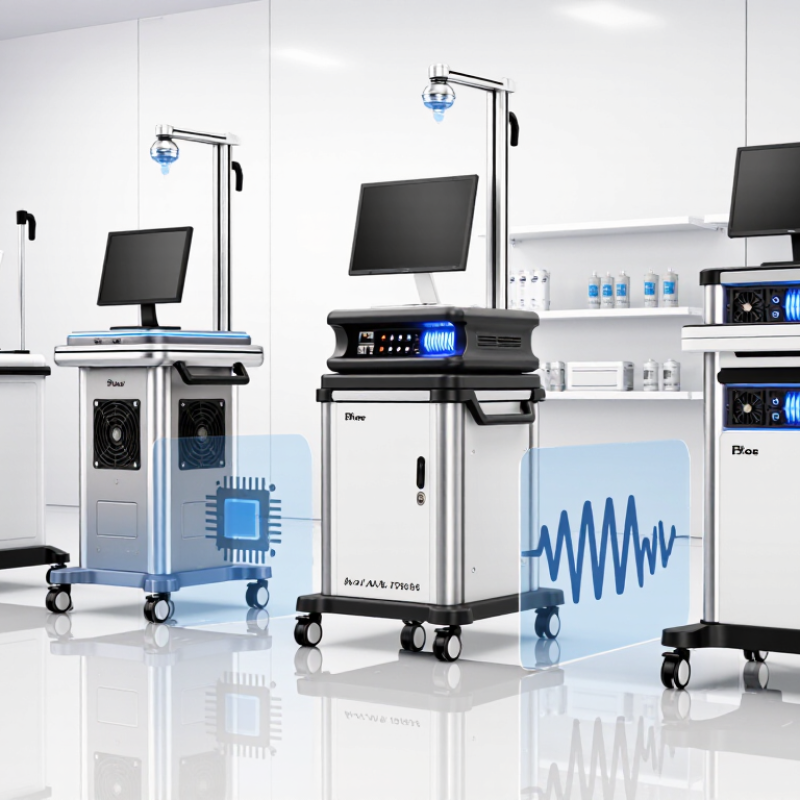
What Is an ICE Diode Laser Machine and How Does It Work?
An ICE diode laser machine uses concentrated light to heat pigment within a hair follicle. The device delivers brief pulses through a handpiece, while its cooling contact surface chills the skin before, during, or after each pulse. “ICE” usually describes this cooling approach; it is not a guarantee of painless treatment. The sensation may feel like a quick snap, with cool glass pressed against the skin.
The light’s heat can disrupt follicle activity and reduce future hair growth. It works best when hair pigment absorbs enough energy, so results vary with hair color, skin tone, treatment settings, and growth cycle. Dark, coarse hair often responds more readily than pale or fine hair. Timing matters.
Cooling helps protect the skin’s surface, but it cannot remove every risk. Temporary redness or tenderness can occur, and incorrect settings may cause burns or pigment changes. A qualified, trained provider should assess skin and hair, explain expected results, and use suitable eye protection. A patch test can reveal how the skin responds, though it cannot predict every outcome. One confusing point: “ICE” is a device feature, not a clinical measure of effectiveness.
Which Features Matter When Comparing ICE Diode Laser Machines?
When comparing ICE diode laser machines, look beyond the cooling label. “ICE” usually describes a cooling approach, but cooling strength and consistency can vary. Ask how the handpiece maintains contact temperature during repeated pulses, not just during a short demonstration. A steady, comfortable sapphire tip can support treatment consistency, though it does not guarantee results.
Check the device’s wavelength options, spot size, pulse duration, and adjustable energy settings. These affect how the machine can be configured for different hair and skin characteristics. The controls should be clear enough for operators to set and verify parameters without guesswork. Small details matter. Review the safety features, including suitable protective eyewear, an emergency stop, and clear operating guidance. Confirm that the manufacturer provides calibration, maintenance, and practical operator training. These are easy to overlook when comparing headline specifications.
Ask for documentation and a realistic demonstration using the intended treatment workflow. Observe whether output remains consistent across repeated pulses, and whether settings are recorded clearly. A polished demo can be persuasive, but it cannot prove long-term reliability. That part takes evidence. Independent testing, service records, and transparent warranty terms help fill the gap. Suitability still depends on individual skin and hair characteristics, so avoid relying on a single “best for everyone” claim. Some specifications look impressive on paper; I would still want to see how the handpiece feels after a full session.
How Do Leading ICE Diode Laser Machines in 2026 Compare?
In 2026, leading ICE diode laser machines are best compared by performance, not by the number of features on a screen. Check which wavelengths the system delivers and whether energy remains consistent across repeated pulses. Common configurations include 755, 808, and 1064 nm, but wavelength labels alone do not prove suitability for every skin tone or hair type. That matters.
Cooling is another practical difference. Ask how the contact tip performs during a full treatment, not just how cold it feels for a few seconds. A stable sapphire tip can improve comfort, while a heavy handpiece or slow repetition rate may make larger areas tiring to treat. Not always. Request clear specifications for spot size, pulse duration, fluence, and service support, then compare them under similar settings. Marketing claims are not clinical evidence.
A reliable comparison also considers operator training, eye protection, and individual assessment. Skin response, recent tanning, hair color, and treatment area can affect settings and expected results. A responsible provider should explain limitations, screen for relevant risks, and use a test spot when appropriate. These details are less exciting than a fast-treatment claim, but they are more useful when choosing equipment for real appointments. Some specifications still look confusing, and that deserves a closer question.
|
What Is the Best Ice Diode Laser Machine in 2026? – How Do Leading ICE Diode Laser Machines in 2026 Compare?
|
|
Comparison of common professional diode-laser configurations. “Ice” generally refers to a cooling feature, not a separate laser wavelength or a standardized machine category. Specifications and results vary by device, settings, operator, and market.
|
| Configuration |
Common wavelength setup |
Cooling and treatment features |
Potential strengths |
Considerations |
Best suited to |
| Single-wavelength diode |
Often around 800–810 nm |
May include contact cooling through a cooled treatment window; pulse and energy settings depend on the device. |
A focused setup can be straightforward to operate and evaluate for a defined treatment protocol. |
One wavelength does not make a device suitable for every skin type or treatment area. Check the device’s validated indications and settings. |
Practices seeking a simpler, single-wavelength platform. |
| Multi-wavelength diode |
Common combinations include 755, 808/810, and 1064 nm. |
May combine wavelengths in one handpiece or offer selectable modes; cooling design varies. |
Offers more wavelength options for adapting treatment parameters to the client and treatment area. |
A wavelength list alone does not prove performance. Confirm how wavelengths are delivered and which indications are supported. |
Clinics that want flexibility across a range of clients and treatment areas. |
| Large-spot, high-throughput diode |
Usually a diode wavelength or wavelength combination specified by the manufacturer. |
Designed around a larger treatment window or rapid repetition; cooling and sustained output should be checked under operating conditions. |
A larger spot and efficient workflow may help cover broad areas more quickly when the device and protocol are appropriate. |
Compare usable spot size, pulse options, cooling consistency, and performance over a full session—not headline power alone. |
Busy clinics prioritizing treatment-area coverage and workflow. |
| Compact or portable diode |
Varies by device; check the stated wavelength and permitted indications. |
May have a smaller footprint and a more limited set of treatment or cooling features. |
Can suit space-constrained settings if service, safety, and performance requirements are met. |
Confirm duty cycle, cooling capacity, maintenance support, and local regulatory status before purchase. |
Smaller practices with lower space or throughput needs. |
|
How to choose: There is no universally best configuration. Compare documented indications, wavelength delivery, adjustable treatment parameters, cooling performance, safety features, training, warranty, service availability, and regulatory clearance or registration in your market. Ask for verifiable specifications and an appropriate demonstration; do not rely on marketing terms such as “ice,” “painless,” or peak power alone.
|
What Safety and Treatment Factors Should Buyers Evaluate?
The best ice diode laser machine in 2026 is not simply the one with the highest power rating. Buyers should check whether its cooling system keeps the treatment window comfortable during repeated pulses. Ask for clear specifications on wavelength, pulse duration, spot size, and adjustable settings. These affect treatment coverage and suitability for different skin and hair characteristics. A polished demonstration is useful, but it cannot replace practical testing.
Safety deserves close attention. Confirm that the device includes suitable eye protection, clear operating instructions, and reliable temperature monitoring. Ask how staff are trained to assess skin type, review medical history, and perform a test spot when appropriate. Treatment should be supervised by qualified professionals, with settings adjusted to the individual rather than copied from a chart. Check maintenance records and calibration support, too. A small detail can matter. No machine removes the need for careful judgment, and comfort can vary between clients.
Tips: Request a live demonstration using realistic treatment settings. Ask how the operator responds to unexpected heat, redness, or discomfort. Compare written service terms, not just sales claims. One question worth asking: what happens when results or comfort differ from expectations?
How Can You Choose the Right ICE Diode Laser Machine?
Choosing an ICE diode laser machine starts with the clients you expect to treat, not the cooling label. Check the available wavelengths, pulse settings, spot size, and cooling method. Common systems use 755 nm, 810 nm, or 1064 nm wavelengths, with suitability depending on skin tone, hair characteristics, and treatment area. A qualified practitioner should assess each client and follow the device’s instructions.
Market growth is useful context, but not proof that one machine performs better. Grand View Research estimated the global laser hair removal market at USD 1.02 billion in 2023 and projected an 18.6% compound annual growth rate from 2024 to 2030. Treat that as a market estimate, not a clinical result. Ask suppliers for documented output consistency, cooling performance during repeated pulses, maintenance requirements, and operator training. Small details matter.
Request a live demonstration using the actual handpiece, then inspect the treatment spot and cooling between shots. Confirm that the device has clear operating instructions and dependable technical support. Compare total ownership costs, including consumables, servicing, and staff training—not just the purchase price. I would also ask how performance is verified over time; a polished demo cannot answer that. If the answers are vague, pause and request written specifications before deciding.
FAQS
Compare wavelength, pulse duration, spot size, fluence, and output consistency. Labels alone tell only part of the story.
No. Suitability depends on skin tone, hair characteristics, and treatment area. A qualified practitioner should assess each person.
Test the contact tip during repeated pulses, not just a brief demonstration. Comfort may change during a full appointment.
Not necessarily. Consistent delivery and adjustable settings matter more than a striking number on a screen. Power can mislead.
Confirm suitable eye protection, clear instructions, and temperature monitoring. Ask about staff training, medical-history review, and test spots when appropriate.
Use realistic settings and the actual handpiece. Watch the treatment spot, cooling between shots, and the operator’s response to heat or redness.
Include servicing, consumables, calibration, and staff training, not only the purchase price. Request written service terms.
No. Market forecasts describe industry expectations, not clinical performance. Ask for documented output checks over time; vague answers deserve a pause.
Some specification sheets are still confusing, and that is worth admitting. Compare figures under matching settings; a polished demonstration cannot answer everything.
Conclusion
Choosing the best Ice Diode Laser machine in 2026 starts with understanding how diode laser technology delivers controlled energy to hair follicles and how cooling systems can help make treatments more comfortable. Rather than relying on a single headline specification, compare practical factors such as wavelength configuration, energy and pulse adjustments, cooling performance, handpiece design, treatment speed, ease of use, and maintenance needs. A machine’s suitability depends on its intended setting and the range of clients and treatment areas it must accommodate.
Before making a decision, assess built-in safety features, clear operating instructions, staff training requirements, and the availability of dependable service and replacement parts. Treatment outcomes and comfort can vary with skin and hair characteristics, settings, and technique, so responsible operation and appropriate client screening matter. The right choice is the machine that balances performance, safety, usability, and long-term support for your needs—not simply the one with the most features.