Follow SANO SANO Laser Facebook page

2026 Best 808 Diode Laser for Global Buyers

Time:2026-10-10 Author:Sophia
0%

Choosing the 2026 Best 808 Diode Laser for Global Buyers requires more than comparing prices or power ratings. An 808 Diode Laser can appear impressive in a product brochure, yet daily performance depends on cooling stability, pulse control, handpiece comfort, and service support. A machine that runs smoothly during a busy clinic day may be more valuable than one with the highest advertised wattage. Small details matter, too. A clear touchscreen helps. A heavy cable does not.

This guide examines leading models through practical and professional criteria. We will review wavelength consistency, fluence adjustment, spot size, cooling systems, treatment speed, warranty terms, training, and replacement-part availability. Evidence may include manufacturer documentation, technical certifications, user feedback, and service records. Regulatory requirements also differ between countries. Buyers should verify applicable approvals, electrical safety standards, import rules, and professional licensing before purchase. Compliance is not optional.

There is no perfect device for every market. A compact system may suit a small studio, while a high-duty-cycle platform may fit a medical clinic. Some specifications remain difficult to compare fairly. Marketing language can also hide limitations. That deserves closer attention. Our evaluation will highlight strengths, weaknesses, and practical trade-offs without treating every claim as fact. The goal is a reliable buying framework for authorized professionals, distributors, and clinics seeking safe, consistent, and supportable laser equipment in 2026.
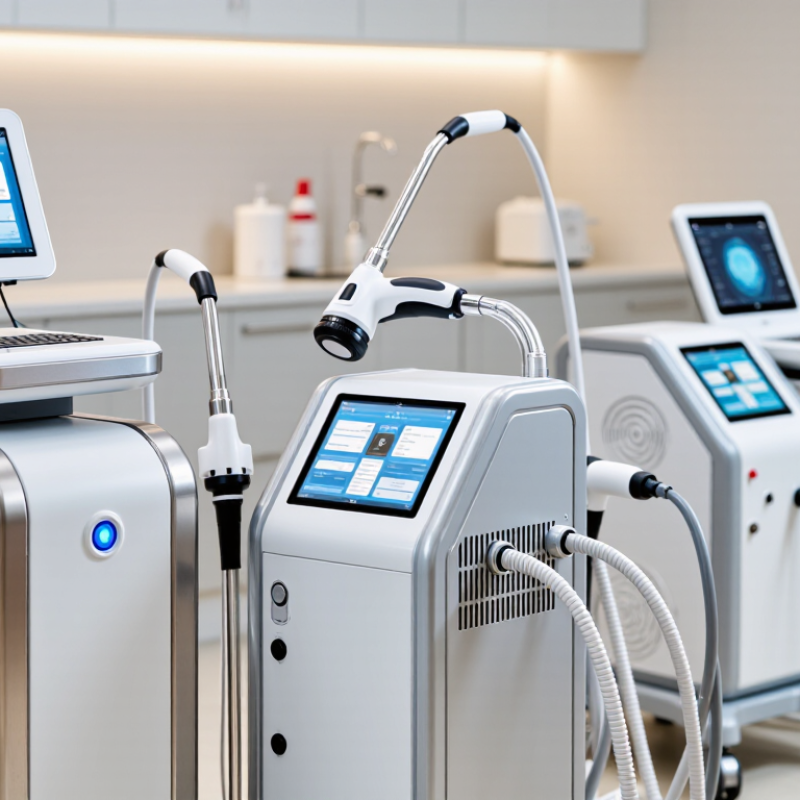
2026 Best 808 Diode Laser for Global Buyers

What Is an 808 Diode Laser and How Does It Work?

An 808 diode laser emits near-infrared light at approximately 808 nanometers. Melanin in the hair shaft absorbs this energy and converts it into heat. That heat travels toward the follicle, weakening its growth structures through selective photothermolysis. The surrounding skin should receive less energy, especially when cooling and pulse control work correctly. It is not a magic wavelength.

The practical result depends on fluence, pulse duration, spot size, hair thickness, and skin tone. Dark, coarse hair usually responds more clearly than fine, light hair. The laser cannot effectively target hair without enough pigment. A 2023 ISAPS Global Survey reported more than three million laser hair removal procedures worldwide, showing strong demand for controlled, repeatable systems. Fortune Business Insights valued the global laser hair removal market at about USD 1.03 billion in 2023 and projected continued growth through 2032.

Real treatment rooms are less predictable. Skin may be recently tanned, hair may grow unevenly, and operator technique can vary. Cooling feels like a brief cold snap against the skin. Incorrect settings may cause pain, temporary redness, or pigment changes. Buyers should therefore examine wavelength stability, adjustable fluence, pulse width, cooling performance, treatment records, and training support. A higher output figure alone does not prove better results. Even experienced users must test parameters carefully, because published market data cannot replace individual skin assessment.

Key Features of the Best 808 Diode Lasers in 2026

For global buyers, the best 808 diode lasers in 2026 should combine stable energy delivery, controlled cooling, and measurable safety features. The 808 nm wavelength remains widely used because it targets melanin effectively while reaching the hair follicle. However, wavelength alone does not prove performance.

Cooling matters greatly. A chilled sapphire window can reduce surface discomfort and help protect the epidermis during repeated pulses. Adjustable fluence, pulse width, and spot size allow operators to match treatment settings with hair thickness and skin response. Real-time temperature monitoring is even better. Small details matter.

Grand View Research reported that the global laser hair removal market reached approximately USD 1.03 billion in 2023, with strong growth expected through 2030. This expansion increases demand for reliable professional equipment, not simply higher output. Buyers should examine energy consistency, handpiece weight, treatment speed, and service documentation. A high peak-power figure can mislead. Stable fluence is usually more useful in daily practice.

Safety documentation should include electrical protection, emergency-stop design, eye protection guidance, and risk controls aligned with recognized medical-device standards. ISO 14971-based risk management is a useful reference, while IEC 60601-1 supports evaluation of electrical safety. Certification claims still require verification. I would also request clinical-use records, maintenance intervals, and calibration evidence before purchasing. Marketing language is not clinical proof.

How to Compare 808 Diode Laser Performance and Quality

2026 Best 808 Diode Laser for Global Buyers

How to Compare 808 Diode Laser Performance and Quality

Comparing an 808 diode laser starts with verified output, not advertised wattage. Ask for measured optical power, wavelength tolerance, pulse width, and fluency at the handpiece. IEC 60601-2-22:2019 identifies safety and performance requirements for medical laser equipment. A compliant test report should show test conditions clearly. Otherwise, the figures remain difficult to trust.

Cooling matters during real treatment. Check the cooling method, contact temperature, recovery time, and skin-sensor response. A 2023 review in Lasers in Medical Science linked effective cooling with better treatment comfort and reduced thermal injury risk. Large spot sizes can shorten sessions, but they may reduce control around curved or sensitive areas. Balance is essential. More power is not automatically better.

Request an independent calibration report based on ISO/IEC 17025 procedures. Confirm whether output was measured continuously or only at peak settings. Inspect the crystal window, cable strain relief, foot pedal, and emergency stop. Small details reveal build quality. The FDA’s medical-device guidance also emphasizes objective performance evidence and risk controls, rather than marketing claims. One limitation deserves attention: published clinical results may not match every skin type, hair density, or operator technique. Buyer comparisons should record those variables. Test before scaling.

Global Safety, Certification, and Regulatory Requirements

Choosing the 2026 best 808 diode laser requires more than comparing power, spot size, or cooling speed. Global buyers should verify the device’s intended use, classification, and registration pathway before purchase. Requirements differ across markets, and one approval rarely covers every country.

For European sales, check applicable Medical Device Regulation obligations, conformity assessment, technical files, risk controls, labeling, and post-market surveillance. In the United States, determine whether FDA clearance, registration, listing, or another pathway applies. Other regions may require local representatives, import licenses, or market-specific certificates. Useful safety references often include IEC 60601-1 for electrical safety, IEC 60601-1-2 for electromagnetic compatibility, and IEC 60825-1 for laser classification. ISO 14971 risk management and ISO 13485 quality systems also strengthen supplier credibility.

Ask for current test reports, declaration documents, user manuals, service records, and training evidence. Labels should show wavelength, warning symbols, protective eyewear requirements, and operating limits. A trained laser safety officer should control access, inspect eyewear, and document incidents. Do not rely on a certificate screenshot. Verify its scope, issuing body, product model, and expiration date. In practical procurement, missing translations or inconsistent model numbers can delay customs clearance. That detail is easy to overlook.

Safety performance also depends on real operation. Skin cooling, pulse settings, treatment logs, and emergency stop functions need hands-on evaluation. A device may meet standards yet perform poorly with untrained users. Buyers should test documentation as carefully as the machine.

How to Choose an 808 Diode Laser for Different Markets

Choosing an 808 diode laser for global markets requires more than comparing wattage and price. Each market has different skin tones, treatment habits, power standards, and safety requirements. A clinic serving darker skin types may need precise fluence control, adjustable pulse widths, and strong cooling. These features can improve comfort and reduce avoidable thermal risks when used by trained professionals.

A practical evaluation should include a real demonstration. Check the handpiece weight, screen visibility, cooling response, and treatment speed. Ask for measured output data, not only advertised power. Test the device on several approved settings and inspect the skin afterward. A patch test matters. It is easy to overlook.

Market preparation also affects long-term value. Confirm local registration, electrical compatibility, language options, warranty coverage, and technician training. Some regions expect specific documentation before professional use. Others focus heavily on operator certification and maintenance records.

Reliable suppliers should provide user manuals, service procedures, and transparent contraindication guidance. Avoid systems with unclear specifications or unrealistic results. A low purchase price may become expensive after repeated repairs, imported parts, or weak technical support.

One detail deserves honest reflection: higher power does not automatically mean better performance. Poor calibration can undermine an impressive specification sheet. Buyers should compare safety controls, output consistency, cooling stability, and service access together. The best 808 diode laser is the one that fits the market, the operators, and the clients’ actual needs.

FAQS

What is an 808 diode laser?

It emits near-infrared light around 808 nanometers. Hair pigment absorbs the energy and creates heat near the follicle. It is not a magic wavelength.

How does an 808 diode laser reduce hair growth?

The heat weakens growth structures through selective photothermolysis. Surrounding skin should receive less energy when settings and cooling are properly controlled. Results vary.

Which hair usually responds best?

Dark, coarse hair usually absorbs more energy than fine, light hair. Hair with little pigment can be difficult to target effectively.

Which settings affect treatment performance?

Fluence, pulse duration, spot size, hair thickness, and skin tone all matter. Higher output alone does not prove better performance.

Why is cooling important?

Cooling can reduce surface discomfort and protect the epidermis during repeated pulses. It may feel like a brief cold snap. Cooling cannot fix poor calibration.

How should buyers compare equipment?

Request measured output data, stable energy delivery, adjustable settings, and cooling information. Inspect handpiece weight, screen visibility, and treatment speed.

What safety information should professional buyers request?

Ask for emergency-stop details, eye-protection guidance, electrical safety records, and risk-management documentation. Verify certification claims independently. Marketing language is not clinical proof.

How should equipment be evaluated for different markets?

Check local registration, power compatibility, language options, warranty terms, and technical training. Skin tones and operator practices may differ greatly. One setup will not suit everyone.

Is a patch test necessary?

A patch test can reveal unexpected discomfort, redness, or pigment changes before wider treatment. Recently tanned skin needs extra caution. Individual assessment still matters.

What can make a low-priced system expensive later?

Repeated repairs, imported parts, weak support, and missing maintenance records can increase long-term costs. The cheaper choice may not remain cheap.

Conclusion

An 808 Diode Laser is a professional light-based device that uses an 808 nm wavelength to deliver controlled energy to targeted areas. Its performance depends on factors such as output stability, cooling efficiency, pulse control, treatment comfort, handpiece design, service life, and ease of operation. In 2026, the best systems should combine consistent energy delivery with reliable safety features, clear user controls, ergonomic design, and durable construction.

When comparing an 808 Diode Laser, buyers should evaluate technical specifications, testing records, quality management, warranty support, and total operating costs rather than focusing only on power ratings. Global purchasers should also confirm applicable electrical, electromagnetic compatibility, laser safety, labeling, and documentation requirements in each target market. The ideal choice may vary by region, clinic type, treatment goals, budget, and local certification pathway, so selecting a compliant, well-supported, and appropriately configured system is essential for long-term value and responsible professional use.


Sophia

Sophia

Sophia is a dedicated marketing professional with an exceptional depth of knowledge about her company's products and services. With a keen understanding of market trends and customer needs, she crafts insightful blog posts that not only inform but also engage readers, enriching the company’s online......